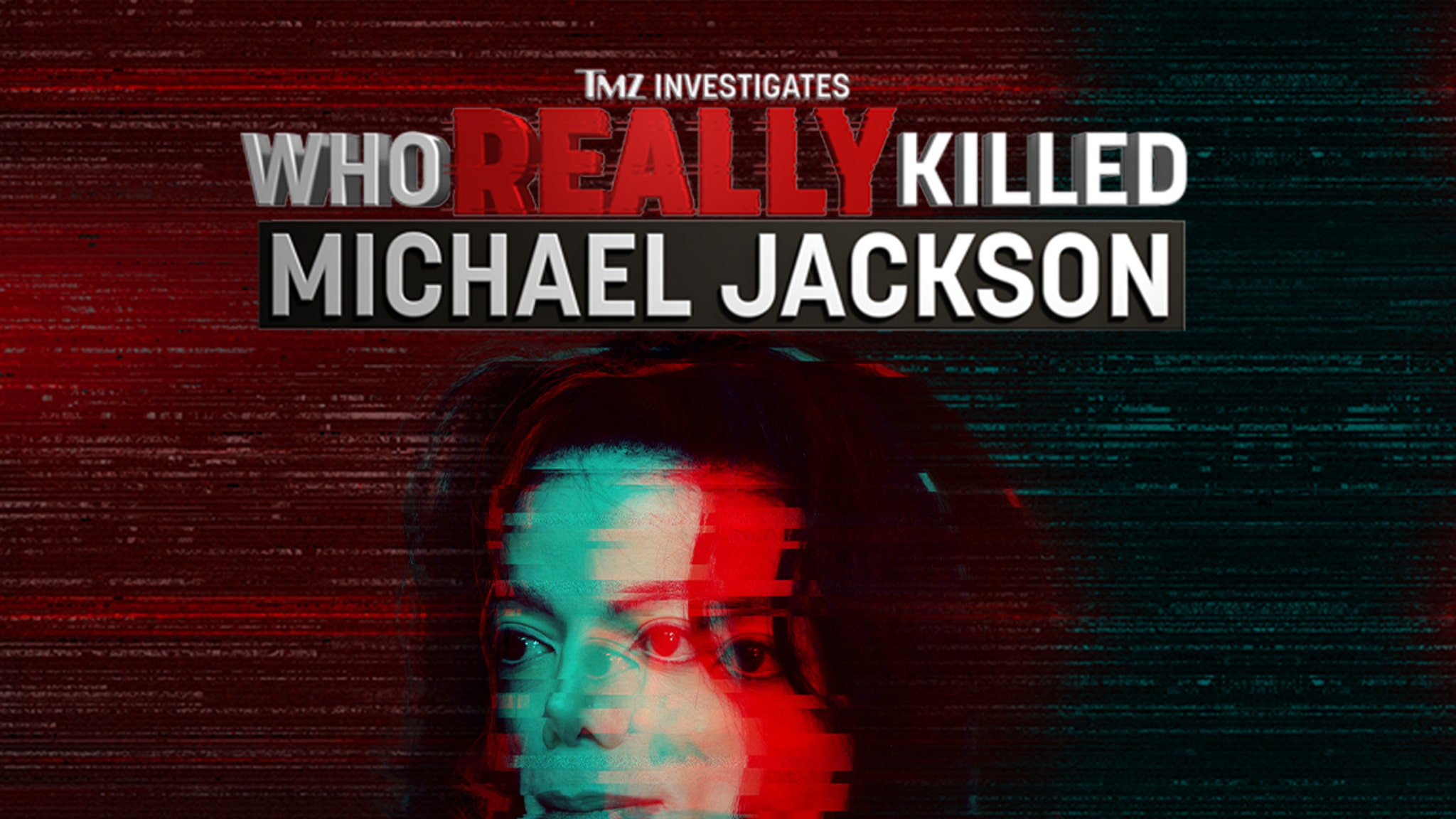
He was supposed to be the guy keeping the King of Pop alive for the biggest comeback in music history. Instead, Conrad Murray became the face of a tragedy that stopped the world cold on June 25, 2009. People still argue about it. Was he a scapegoat? A negligent doctor blinded by a $150,000-a-month paycheck? Or just a man way out of his depth in the chaotic circus surrounding Michael Jackson’s final days?
The truth isn’t a clean Hollywood script.
Most people remember the headlines about propofol, but the actual day-to-day reality inside that Holmby Hills mansion was a mess. Michael was struggling. He couldn't sleep. He was under immense pressure for the "This Is It" concerts. Conrad Murray, a cardiologist who met Jackson in Las Vegas years prior, was the man tasked with getting him through the night.
It didn't end well.
The Night Everything Fell Apart
Imagine being in a room where the most famous person on earth is begging you for "milk." That’s what Michael called propofol. It's a powerful anesthetic usually reserved for hospital surgical suites, not a bedroom with gold-leaf furniture and heavy curtains.
Murray told police he tried to wean Jackson off the drug. He’d been giving it to him for about 60 days to treat chronic insomnia. On that final night, he claimed he gave Michael a cocktail of valium, lorazepam, and midazolam. Nothing worked. Jackson was frantic. Eventually, around 10:40 AM, Murray administered 25 milligrams of propofol diluted with lidocaine.
Then he stepped away.
That’s the part that local prosecutors and medical experts hammered home during the trial. You don't leave a patient under anesthesia. Even for a few minutes. When Murray came back, Michael wasn't breathing.
The chaos that followed was surreal. There were reports of Murray performing CPR on a bed—which any first-aid student knows is ineffective because the surface is too soft—and a delay in calling 911. The world found out Michael Jackson was dead before the ambulance even cleared the driveway.
Why the Trial of Conrad Murray Changed Everything
When the trial started in 2011, it wasn't just about a medical error. It was a cultural autopsy.
The prosecution, led by David Walgren, painted Murray as a reckless gambler. They showed photos of a gray, lifeless Jackson on a gurney juxtaposed with video of him dancing at rehearsals just days before. The narrative was simple: Murray abandoned his medical ethics for money.
But Murray’s defense team tried to suggest that Michael was the one who took the fatal dose when the doctor wasn't looking. They called it "self-administration." They wanted the jury to believe that Jackson, in a desperate fit of insomnia, injected the extra propofol himself.
The jury didn't buy it.
The Medical Reality of Propofol
Dr. Steven Shafer, a world-renowned propofol expert who testified for the prosecution, basically dismantled the defense. He called Murray’s actions "unconscionable."
- No Monitoring: There was no pulse oximeter with an alarm.
- No Records: Murray didn't keep written charts of what he was administering.
- No Equipment: There was no suction or intubation gear nearby.
Honestly, the lack of basic medical equipment in that room was shocking. If you’re running a makeshift ICU, you need ICU tools. Murray had a stethoscope and a pulse. That’s it.
The Aftermath and the Prison Years
In November 2011, Conrad Murray was found guilty of involuntary manslaughter. Judge Michael Pastor didn't hold back during sentencing, calling Murray’s conduct "medical abandonment" and a "disgrace to the medical profession."
He got four years.
He served two. Because of California’s prison overcrowding laws and his status as a non-violent offender, he was released in 2013. But the man who walked out of jail wasn't the same wealthy cardiologist who walked in. His medical licenses in Texas, Nevada, and California were either revoked or suspended. He was broke.
He’s spent much of his time since then trying to clear his name. He wrote a book called This Is It!, which is—to put it mildly—a wild read. He makes a lot of claims about Michael’s private life that many fans find exploitative. He still insists he didn't kill Michael Jackson. He sees himself as a friend who was trying to help a man who had been failed by dozens of other doctors before him.
The Complicated Legacy of the "Celebrity Doctor"
We have to look at the bigger picture here. Michael Jackson had a long history of seeking out physicians who would give him what he wanted. He had "Dr. Feelgoods" following him for decades.
Does that excuse Conrad Murray? No.
But it does explain the environment. Murray was under huge pressure from AEG Live, the concert promoters, to make sure Michael was "show-ready." There were emails revealed in later civil trials suggesting the promoters were worried about Michael’s health, yet the show had to go on. Murray was caught in the middle of a billion-dollar machine.
He was being paid a fortune to be a "yes man" with a medical degree. That's a dangerous position for any doctor.
What Most People Get Wrong
A lot of folks think Murray injected a massive, "kill-shot" dose. The toxicology report actually showed a combination of drugs that worked together to stop his breathing. It wasn't just the propofol; it was the "poly-pharmacy" effect. When you mix benzodiazepines with an anesthetic, the risk of respiratory depression goes through the roof.
Also, the 911 call. People think Murray called immediately. He didn't. There was a significant gap where he was reportedly cleaning up medicine bottles and calling Jackson's assistant before the paramedics were ever dialed. That 20-minute window is where the case was won and lost.
Lessons from the Tragedy
This wasn't just a celebrity gossip story. It changed how the medical community looks at "concierge medicine."
- Ethics over Income: A doctor's first duty is to the patient's safety, not their employer's schedule.
- The Danger of Off-Label Use: Propofol is a miracle drug in an OR. It is a poison in a bedroom.
- The Accountability of the Famous: Fame doesn't exempt someone from the laws of biology, and doctors shouldn't treat celebrities like they're invincible.
If you’re looking for a villain, Murray is the easy choice. He held the syringe. But the story is also a warning about the enablers who surround icons. Since his release, Murray has lived a relatively quiet life, occasionally resurfacing for documentaries or interviews, usually doubling down on his innocence.
The medical community has moved on, but the shadow of that room in Holmby Hills stays. It serves as a grim reminder that when the lines between medicine and friendship—or medicine and "business"—get blurred, the results are almost always fatal.
To understand what happened to Conrad Murray is to understand the end of an era. Michael Jackson was the last of the truly untouchable superstars, and his death was the result of a system that let him down just as much as one man’s negligence did.
For those looking to understand the legalities of medical malpractice or the history of high-profile criminal cases, the Murray trial remains the gold standard for "involuntary manslaughter" in the context of professional duty. You can find the full trial transcripts through the Los Angeles County Superior Court archives if you really want to see the minute-by-minute breakdown of that morning.
The case is closed, the sentence is served, but for the fans and the family, the questions about those final hours will likely never be fully answered to their satisfaction. It’s a tragedy with no winners.
To stay informed on how celebrity medical cases have changed laws regarding controlled substances, look into the "Interstate Medical Licensure Compact" and recent updates to DEA monitoring of propofol distribution. These shifts were directly influenced by the gaps exposed during the investigation into Michael Jackson's death.