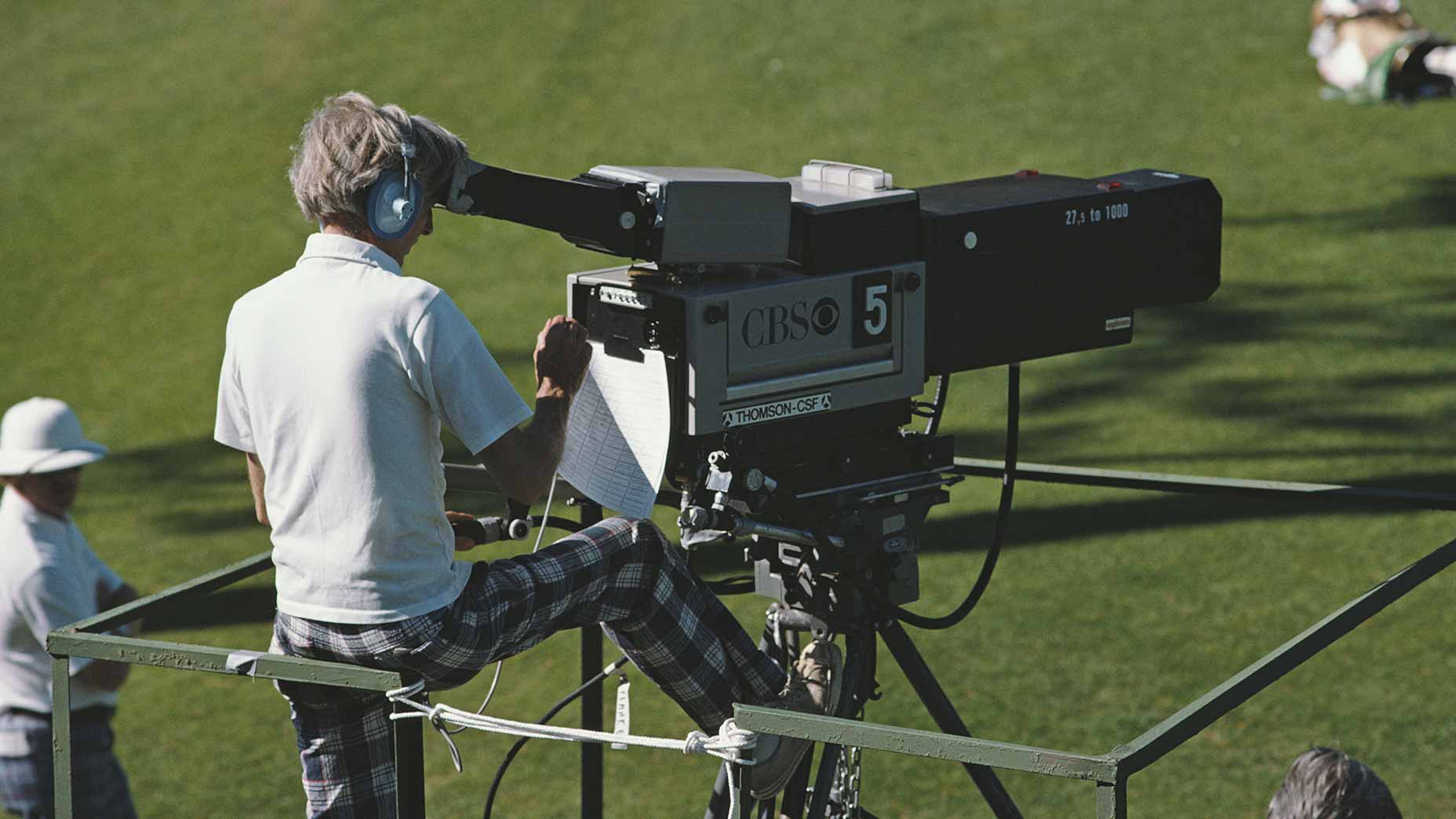
Imagine sitting in a living room in 1951. Everything is gray. Your furniture is likely brown or olive, but on the tiny glass portal in the corner, the world exists only in shades of charcoal and silver. Then, suddenly, it wasn't. But honestly, if you weren't one of a few dozen people in a very specific room in New York City, you missed it entirely. The first color tv broadcast wasn't a global event. It wasn't even a national one. It was a flickering, mechanical miracle that almost nobody actually saw.
People talk about the "Wizard of Oz" moment when the world turned technicolor. In reality, the transition was a messy, expensive, and litigious disaster.
The Day CBS Painted the Airwaves
On June 25, 1951, CBS aired a program called "Premiere." This was the big one. This was the first color tv broadcast to actually hit the airwaves as a commercial schedule. It featured stars like Ed Sullivan and Faye Emerson. They were dressed in vibrant clothes, standing in front of colorful sets, all to prove that the future had arrived.
But there was a catch. A massive, frustrating catch.
If you owned a standard black-and-white television—which was basically everyone who owned a TV at the time—you saw nothing. Not even a gray version of the show. Your screen was just a jumble of electronic static or a blank void. This is because the CBS system was "incompatible." It used a spinning mechanical disk to produce color, a piece of tech that your standard RCA-built set simply couldn't understand.
Why the FCC Almost Ruined Everything
It sounds crazy now, but the FCC actually approved this incompatible system first. In 1950, they gave CBS the green light. Imagine buying a brand new iPhone today and being told it can't receive calls from any other phone on earth. That was the CBS color situation. RCA, the powerhouse behind NBC and the manufacturer of most television sets, was livid. They sued. They lobbied. They fought tooth and nail to stop a system that would make their customers' current sets obsolete.
The legal battle went all the way to the Supreme Court. CBS won. They started broadcasting in color, but the victory was hollow. Because no one could see the shows, advertisers wouldn't pay for spots. Because advertisers wouldn't pay, CBS couldn't afford to make more shows. It was a death spiral of innovation.
The Technical Nightmare of the Spinning Wheel
The tech was weird. It really was. Instead of the elegant electronic beams we ended up with, the CBS system relied on a motorized wheel with red, green, and blue filters. It spun at high speeds in front of the camera and a matching one spun inside the TV.
It hummed. It vibrated. It was prone to breaking.
Compare that to the "Compatible Color" system RCA was secretly perfecting in their labs. RCA’s David Sarnoff was obsessed with a system that would allow color signals to be "folded" into existing black-and-white signals. He wanted a world where a color broadcast looked like a normal gray-scale show on an old TV, but blossomed into full color on a new one. This was the "dot sequential" system. It was purely electronic. No moving parts. No buzzing wheels.
By 1953, the FCC realized they had backed the wrong horse. They reversed their decision, dumped the CBS mechanical standard, and adopted the RCA electronic standard. That is why, for the next fifty years, your TV worked the way it did.
What Most People Get Wrong About the Timeline
Most folks think color TV became a thing in the 50s and everyone just moved on. Nope. Not even close.
Even after the first color tv broadcast and the subsequent adoption of the NTSC standard in 1953, color was a luxury. In 1954, a 15-inch RCA color set cost $1,000. In today’s money? That’s nearly $11,000. For a fifteen-inch screen. You could buy a car for that.
- 1954: The Tournament of Roses Parade becomes the first coast-to-coast color broadcast.
- 1956: NBC’s "The Perry Como Show" starts regular color appearances.
- 1961: Walt Disney’s "Wonderful World of Color" debuts, finally giving people a reason to buy the sets.
- 1966: The first "all-color" prime time season on all major networks.
It took fifteen years from that first CBS broadcast for color to actually become the "standard." It was a slow, painful grind. Stations had to buy incredibly expensive cameras. Lighting technicians had to relearn their entire craft because color cameras needed three to four times more light than black-and-white ones. Actors had to change their makeup because the "pancake" makeup used for gray-scale made them look like ghouls in color.
The "Living Color" Peacock and Marketing Genius
If you grew up in the 60s or 70s, you remember the peacock. That wasn't just a logo; it was a psychological weapon. RCA owned NBC. RCA sold color TVs. Therefore, NBC had to be the "Color Network." They flashed that rainbow-tailed bird before every show to remind the neighbors who didn't have a color set that they were missing out.
It was pure FOMO (Fear Of Missing Out) before the term existed.
The first color tv broadcast might have been a CBS achievement, but the "color revolution" was an RCA marketing masterpiece. They subsidized the cost of color programming just to move hardware. It’s the same reason streaming services today spend billions on "Originals"—they need you inside their ecosystem.
Realities of the Early Experience
Early color wasn't even that good. If you've ever seen a restored clip from the late 50s, the colors are often "bleeding." Skin tones looked like orange peels or raw ham. Tuning the TV was a nightmare. You had "hue" and "tint" knobs that you had to fiddle with constantly. If a character walked from a sunlit room into a shadow, their face might turn green.
You had to be a part-time engineer just to watch "Bonanza."
Despite the jankiness, it changed everything. News became more visceral. Sports became readable—you could finally tell the teams apart by their jerseys without the announcer constantly reminding you who was who. The first color tv broadcast paved the way for the visual language we use today, from the neon aesthetics of the 80s to the high-dynamic range (HDR) 8K screens we have now.
Actionable Insights for History and Tech Buffs
If you’re researching this for a project or just want to appreciate the tech in your pocket, here is how to actually engage with this history:
- Watch the "Premiere" Recreation: While the original broadcast wasn't recorded in color (ironically, we only have black-and-white kinescopes of most early color shows), there are technical recreations on YouTube showing exactly how the CBS field-sequential system looked. It’s surprisingly sharp but has a weird "rainbow" trailing effect.
- Check the Prices: Look up the "RCA CT-100." It was the first mass-produced color set. Seeing the internal vacuum tubes and the sheer weight of these things makes you realize why they cost as much as a Cadillac.
- Observe the Transition: Find "The Dick Van Dyke Show" or "Bewitched" episodes where they switched from B&W to color between seasons. You can see the set designers struggling to figure out which colors actually looked good on camera versus what looked good in person.
- Visit a Museum: Places like the Museum of the Moving Image in New York or the Early Television Museum in Hilliard, Ohio, actually have working versions of these sets. Seeing a 1950s color signal in person is a completely different experience than seeing a digital file of it.
The transition to color wasn't a flip of a switch. It was a decade-long war of patents, marketing, and frustrated consumers. We take the billions of colors on our phones for granted, but it all started with a spinning plastic wheel and a dream that the world didn't have to be gray.